

Why Window Installation Matters Just as Much as the Window You Buy
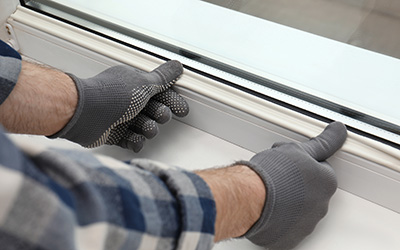 When shopping for replacement windows, most homeowners focus on the features they can see: attractive frames, energy-efficient glass, modern designs and impressive performance ratings. While these details are important, there is another factor that can have just as much influence on how your windows perform: the quality of the installation.
Even a premium replacement window with advanced insulation and energy-saving technology can fall short of expectations if it is installed incorrectly. Small gaps, inadequate sealing or improper water management can lead to drafts, moisture problems and reduced energy efficiency.
For Houston-area homeowners, where high humidity, intense summer heat and heavy rainstorms are common, proper window installation is particularly important.
Understanding what happens during installation and why certain details matter, can help you make a more informed investment in your home.
A Window is Only as Effective as Its Installation
Modern replacement windows are engineered to provide several important benefits, including reduced heat transfer, improved comfort, noise reduction and protection against outdoor weather.
However, laboratory performance ratings generally evaluate the window as a manufactured product, not every possible condition surrounding its installation.
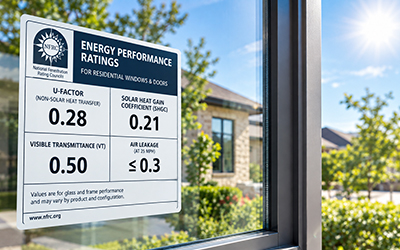
For example, a window may have an excellent U-Factor, indicating strong resistance to heat transfer. But if outdoor air can enter through gaps between the window frame and the surrounding wall, the homeowner may not experience the expected improvements in comfort and efficiency.
Think of it like purchasing a high-quality insulated cooler but leaving the lid slightly open. The insulation may be excellent, but the surrounding opening compromises its effectiveness.
The same principle applies to replacement windows.
Proper installation connects the window to the home’s building envelope, helping the glass, frame, insulation and surrounding wall work together as a complete system.
What is Window Flashing and Why Does It Matter?
One of the most important yet frequently overlooked parts of window installation is flashing.
Window flashing is a water-management system designed to direct moisture away from vulnerable areas surrounding a window opening.
Depending on the window and wall construction, flashing may include specialized tapes, flexible membranes, metal components or liquid-applied materials.
The purpose is straightforward: prevent water from becoming trapped inside the wall.
A properly designed flashing system typically addresses three critical areas:
- Sill Flashing: Helps collect and direct water outward from the bottom of the opening
- Side Flashing: Protects the vertical edges where the window meets the surrounding wall
- Head Flashing: Helps redirect water away from the top of the window
These components must work with the home’s existing weather-resistant barrier and drainage system.
The U.S. Department of Energy emphasizes that window openings interrupt a wall’s protective drainage layer, making them particularly vulnerable to water intrusion.
Improperly installed flashing can allow rainwater to travel behind exterior materials, potentially causing damage that remains hidden for months or even years.
In Houston, where thunderstorms can bring heavy, wind-driven rain, this protection is especially valuable.
The Difference Between Sealing and Flashing
Homeowners sometimes assume that applying a thick bead of caulk around a window is enough to make it waterproof.
Unfortunately, effective moisture protection is more complicated.
Caulking and sealants help close joints and prevent unwanted air and water movement. Flashing, on the other hand, manages water that may get past the exterior surface.
Both serve important but different purposes.
A successful installation must account for how water moves around the window, where it can drain and how the surrounding materials respond to temperature changes.
Simply sealing every visible gap can sometimes create problems if it blocks drainage pathways designed to allow moisture to escape.
That’s why experienced installers follow installation methods appropriate for the window product, wall construction and manufacturer’s requirements rather than relying on caulk alone.
How Air Leakage Can Undermine Energy Efficiency
One of the primary reasons homeowners replace older windows is to improve energy efficiency.
Today’s high-performance windows often feature insulated glass, Low-E coatings and advanced frame materials designed to reduce heat transfer.
However, these features cannot prevent air from entering through gaps around the installed window.
According to the U.S. Department of Energy, air leakage accounts for approximately 25% to 40% of the energy used for heating and cooling in a typical residence.
That estimate refers to air leakage throughout the home, not just around windows. Nevertheless, it illustrates why controlling unwanted airflow is an important part of energy efficiency.
Poorly sealed window openings can contribute to:
- Warm, humid outdoor air entering the home
- Cool, conditioned indoor air escaping
- Uncomfortable drafts near windows
- Inconsistent temperatures between rooms
- Increased demand on air conditioning systems
In Houston, where cooling systems operate extensively throughout much of the year, reducing unnecessary air infiltration can make a meaningful difference in indoor comfort.
Proper installation helps ensure that the energy-efficient features homeowners pay for aren’t undermined by gaps around the frame.
Why Houston’s Humidity Makes Installation Even More Important
Houston’s climate presents challenges that extend beyond high temperatures.
Warm, moisture-laden outdoor air can enter a home through improperly sealed openings. When that humid air encounters cooler surfaces, condensation may occur if conditions reach the dew point.
Over time, persistent moisture can contribute to mold growth, deterioration of surrounding materials and damage to interior finishes.
According to the U.S. Environmental Protection Agency, indoor relative humidity should generally be kept below 60%, ideally between 30% and 50%, to help limit mold growth.
Although window installation alone cannot control indoor humidity, properly sealing window openings can help reduce one potential source of unwanted moisture.
Homeowners should also understand that condensation does not automatically indicate an installation defect. It can result from indoor humidity levels, glass temperature, ventilation or other factors.
However, recurring moisture around the window frame, damp drywall or water stains after rain deserve professional attention.
These symptoms may indicate that water or humid air is entering through areas that should be protected.
Proper Window Alignment Protects Long-Term Performance
Window installation also involves precise measurements, positioning and structural support.
A window that is slightly out of square may initially appear normal but eventually become difficult to operate.
Improper alignment can place unnecessary stress on the frame, interfere with locking mechanisms and affect how tightly the window closes.
Installers use shims and appropriate fasteners to support the frame while maintaining the correct positioning.
At Ultra Windows, installation materials include moisture-resistant composite shims, corrosion-resistant screws and AAMA-certified caulks selected to support long-term performance in Houston’s climate.
These small components may not be visible once installation is complete, but they contribute to the durability and reliability of the finished window.
What Should Homeowners Ask About Window Installation?
Before purchasing replacement windows, homeowners should ask questions about the installation process, not just the product specifications.
Consider asking:
- How will the window opening be prepared and inspected?
- What flashing and water-management methods will be used?
- How will gaps around the frame be insulated and sealed?
- What happens if existing water damage is discovered?
- How will the installation accommodate Houston’s heat and humidity?
- What workmanship warranty is included?
A reputable window company should be able to explain how its installation methods protect against air leakage, water intrusion and long-term performance problems.
These conversations can help homeowners understand the full value of their investment.
Protect Your Investment with Professional Window Installation
Replacement windows are a long-term investment in your home’s comfort, appearance and energy efficiency. Choosing high-quality products is essential, but those products must be installed correctly to deliver their intended benefits.
At Ultra Windows, we understand that exceptional window performance requires attention to every detail. Serving Houston-area homeowners since 1996, we offer carefully selected replacement windows paired with a specialized weathertight installation system designed for Southeast Texas conditions.
We’re proud to be locally owned and operated right here in the Houston area. That means our reputation is personal. We live and work in the community we serve and our success depends on taking care of our customers, not meeting the expectations of outside investors.
As more home service companies are acquired by private equity firms and large corporate groups, we believe there’s real value in choosing a local company that’s accountable to its customers and committed to being here for the long term.
Our installation approach prioritizes airtight and watertight performance, and we stand behind our workmanship for as long as you own your home.
Ready to invest in replacement windows that are designed to perform from the glass to the installation? Contact Ultra Windows today to schedule a free, hassle-free consultation. Our team can help you explore your options and find a window solution that delivers lasting comfort, durability and peace of mind.
Locally owned. Locally accountable. At Ultra Windows, our reputation is built one Houston homeowner at a time, not in a corporate boardroom.
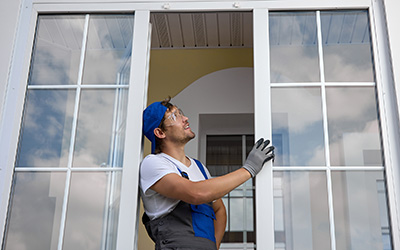 When shopping for replacement windows, most homeowners focus on the features they can see: attractive frames, energy-efficient glass, modern designs and impressive performance ratings. While these details are important, there is another factor that can have just as much influence on how your windows perform: the quality of the installation.
Even a premium replacement window with advanced insulation and energy-saving technology can fall short of expectations if it is installed incorrectly. Small gaps, inadequate sealing or improper water management can lead to drafts, moisture problems and reduced energy efficiency.
For Houston-area homeowners, where high humidity, intense summer heat and heavy rainstorms are common, proper window installation is particularly important.
Understanding what happens during installation and why certain details matter, can help you make a more informed investment in your home.
A Window is Only as Effective as Its Installation
Modern replacement windows are engineered to provide several important benefits, including reduced heat transfer, improved comfort, noise reduction and protection against outdoor weather.
However, laboratory performance ratings generally evaluate the window as a manufactured product, not every possible condition surrounding its installation.
For example, a window may have an excellent U-Factor, indicating strong resistance to heat transfer. But if outdoor air can enter through gaps between the window frame and the surrounding wall, the homeowner may not experience the expected improvements in comfort and efficiency.
Think of it like purchasing a high-quality insulated cooler but leaving the lid slightly open. The insulation may be excellent, but the surrounding opening compromises its effectiveness.
The same principle applies to replacement windows.
Proper installation connects the window to the home’s building envelope, helping the glass, frame, insulation and surrounding wall work together as a complete system.
What is Window Flashing and Why Does It Matter?
One of the most important yet frequently overlooked parts of window installation is flashing.
Window flashing is a water-management system designed to direct moisture away from vulnerable areas surrounding a window opening.
Depending on the window and wall construction, flashing may include specialized tapes, flexible membranes, metal components or liquid-applied materials.
The purpose is straightforward: prevent water from becoming trapped inside the wall.
A properly designed flashing system typically addresses three critical areas:
- Sill Flashing: Helps collect and direct water outward from the bottom of the opening
- Side Flashing: Protects the vertical edges where the window meets the surrounding wall
- Head Flashing: Helps redirect water away from the top of the window
These components must work with the home’s existing weather-resistant barrier and drainage system.
The U.S. Department of Energy emphasizes that window openings interrupt a wall’s protective drainage layer, making them particularly vulnerable to water intrusion.
Improperly installed flashing can allow rainwater to travel behind exterior materials, potentially causing damage that remains hidden for months or even years.
In Houston, where thunderstorms can bring heavy, wind-driven rain, this protection is especially valuable.
The Difference Between Sealing and Flashing
Homeowners sometimes assume that applying a thick bead of caulk around a window is enough to make it waterproof.
Unfortunately, effective moisture protection is more complicated.
Caulking and sealants help close joints and prevent unwanted air and water movement. Flashing, on the other hand, manages water that may get past the exterior surface.
Both serve important but different purposes.
A successful installation must account for how water moves around the window, where it can drain and how the surrounding materials respond to temperature changes.
Simply sealing every visible gap can sometimes create problems if it blocks drainage pathways designed to allow moisture to escape.
That’s why experienced installers follow installation methods appropriate for the window product, wall construction and manufacturer’s requirements rather than relying on caulk alone.
How Air Leakage Can Undermine Energy Efficiency
One of the primary reasons homeowners replace older windows is to improve energy efficiency.
Today’s high-performance windows often feature insulated glass, Low-E coatings and advanced frame materials designed to reduce heat transfer.
However, these features cannot prevent air from entering through gaps around the installed window.
According to the U.S. Department of Energy, air leakage accounts for approximately 25% to 40% of the energy used for heating and cooling in a typical residence.
That estimate refers to air leakage throughout the home, not just around windows. Nevertheless, it illustrates why controlling unwanted airflow is an important part of energy efficiency.
Poorly sealed window openings can contribute to:
- Warm, humid outdoor air entering the home
- Cool, conditioned indoor air escaping
- Uncomfortable drafts near windows
- Inconsistent temperatures between rooms
- Increased demand on air conditioning systems
In Houston, where cooling systems operate extensively throughout much of the year, reducing unnecessary air infiltration can make a meaningful difference in indoor comfort.
Proper installation helps ensure that the energy-efficient features homeowners pay for aren’t undermined by gaps around the frame.
Why Houston’s Humidity Makes Installation Even More Important
Houston’s climate presents challenges that extend beyond high temperatures.
Warm, moisture-laden outdoor air can enter a home through improperly sealed openings. When that humid air encounters cooler surfaces, condensation may occur if conditions reach the dew point.
Over time, persistent moisture can contribute to mold growth, deterioration of surrounding materials and damage to interior finishes.
According to the U.S. Environmental Protection Agency, indoor relative humidity should generally be kept below 60%, ideally between 30% and 50%, to help limit mold growth.
Although window installation alone cannot control indoor humidity, properly sealing window openings can help reduce one potential source of unwanted moisture.
Homeowners should also understand that condensation does not automatically indicate an installation defect. It can result from indoor humidity levels, glass temperature, ventilation or other factors.
However, recurring moisture around the window frame, damp drywall or water stains after rain deserve professional attention.
These symptoms may indicate that water or humid air is entering through areas that should be protected.
Proper Window Alignment Protects Long-Term Performance
Window installation also involves precise measurements, positioning and structural support.
A window that is slightly out of square may initially appear normal but eventually become difficult to operate.
Improper alignment can place unnecessary stress on the frame, interfere with locking mechanisms and affect how tightly the window closes.
Installers use shims and appropriate fasteners to support the frame while maintaining the correct positioning.
At Ultra Windows, installation materials include moisture-resistant composite shims, corrosion-resistant screws and AAMA-certified caulks selected to support long-term performance in Houston’s climate.
These small components may not be visible once installation is complete, but they contribute to the durability and reliability of the finished window.
What Should Homeowners Ask About Window Installation?
Before purchasing replacement windows, homeowners should ask questions about the installation process, not just the product specifications.
Consider asking:
- How will the window opening be prepared and inspected?
- What flashing and water-management methods will be used?
- How will gaps around the frame be insulated and sealed?
- What happens if existing water damage is discovered?
- How will the installation accommodate Houston’s heat and humidity?
- What workmanship warranty is included?
A reputable window company should be able to explain how its installation methods protect against air leakage, water intrusion and long-term performance problems.
These conversations can help homeowners understand the full value of their investment.
Protect Your Investment with Professional Window Installation
Replacement windows are a long-term investment in your home’s comfort, appearance and energy efficiency. Choosing high-quality products is essential, but those products must be installed correctly to deliver their intended benefits.
At Ultra Windows, we understand that exceptional window performance requires attention to every detail. Serving Houston-area homeowners since 1996, we offer carefully selected replacement windows paired with a specialized weathertight installation system designed for Southeast Texas conditions.
We’re proud to be locally owned and operated right here in the Houston area. That means our reputation is personal. We live and work in the community we serve and our success depends on taking care of our customers, not meeting the expectations of outside investors.
As more home service companies are acquired by private equity firms and large corporate groups, we believe there’s real value in choosing a local company that’s accountable to its customers and committed to being here for the long term.
Our installation approach prioritizes airtight and watertight performance, and we stand behind our workmanship for as long as you own your home.
Ready to invest in replacement windows that are designed to perform from the glass to the installation? Contact Ultra Windows today to schedule a free, hassle-free consultation. Our team can help you explore your options and find a window solution that delivers lasting comfort, durability and peace of mind.
Locally owned. Locally accountable. At Ultra Windows, our reputation is built one Houston homeowner at a time, not in a corporate boardroom.