


Should You Replace All Your Windows at Once or Do Them in Stages?
 Replacing your home’s windows is an investment that can improve energy efficiency, indoor comfort, curb appeal and long-term property value. One of the biggest questions homeowners face when planning a window-replacement project is whether to replace all windows at once or tackle the project in stages.
For homeowners in Houston and the surrounding areas, where intense summer heat and high humidity can make inefficient windows particularly noticeable, choosing the right replacement strategy is especially important.
Both approaches have advantages and the best choice depends on your budget, the condition of your existing windows, your home’s appearance and your long-term goals. To compare them clearly, consider how each option affects cost, timing, consistency and comfort.
Before deciding how many windows to replace, consider the benefits and potential drawbacks of each approach.
The Benefits of Replacing All Your Windows at Once
If most of your home’s windows are aging, inefficient or showing signs of wear, a whole-home window replacement may be the most practical long-term solution.
1. Greater Installation Efficiency
One of the biggest advantages of replacing all windows at once is installation efficiency.
When homeowners schedule a complete window replacement, installation professionals can organize the project into one coordinated process rather than making multiple visits over several months or years.
This can reduce repeated setup, preparation and cleanup requirements.
Replacing at least 10 windows together can help homeowners achieve a better price per window because contractors can distribute installation-related costs across a larger project.
Although every home and installation is different, completing the project at once may offer greater overall efficiency.
2. A Consistent Appearance Throughout Your Home
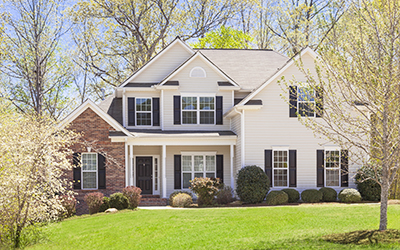
Windows contribute significantly to a home’s architectural character. Their frame colors, materials, grid patterns and glass styles all influence how a property looks from the street.
Replacing every window at once allows homeowners to establish a consistent appearance throughout the house.
This is particularly beneficial when transitioning from older window styles to modern options with slimmer frames, updated finishes or larger glass areas.
For example, Ultra Windows offers fiberglass replacement windows with multiple standard and custom color options, giving homeowners flexibility when selecting a style that complements their property.
A coordinated installation also eliminates concerns about matching newly installed windows with products that may be discontinued or modified in the future.
3. Improved Whole-Home Energy Efficiency
Older windows can contribute to unwanted heat transfer, air leakage and uncomfortable indoor temperatures.
This is particularly relevant in Houston, where air conditioning systems work hard during the warmer months.
Replacing outdated single-pane windows with modern, energy-efficient models can help reduce heat transfer, improve indoor comfort and lower heating and cooling costs. Newer windows with features like Low-E glass, insulated frames and advanced weatherstripping can help homeowners maintain more consistent indoor temperatures throughout the year.
Replacing all inefficient windows together allows homeowners to address multiple sources of energy loss at once, potentially improving comfort throughout the home rather than in just a few rooms.
The Benefits of Replacing Windows in Stages
While a complete window replacement offers advantages, it isn’t necessarily the best approach for every homeowner.
Replacing windows in stages can be a practical alternative, especially when budget considerations or varying window conditions make a full replacement less appealing.
1. More Flexibility with Your Budget
Window replacement represents a substantial home improvement investment and completing every window simultaneously may not fit every household’s financial plans.
A phased approach allows homeowners to spread the expense over time.
Rather than postponing the entire project until enough funds are available, homeowners can begin addressing the windows that need the most attention.
However, multiple installation phases may involve additional visits and project-related expenses. Before making a decision, it’s worth comparing the total estimated cost of a phased replacement with a complete installation.
2. Prioritizing Problem Windows
Not every window ages at the same rate.
Windows exposed to intense sunlight, heavy rain or frequent use may deteriorate faster than those in more protected areas.
If you’re wondering, “How many windows should I replace?” start by evaluating which ones are causing the most problems.
Common warning signs include
- Drafts or Air Leaks: Noticeable airflow around closed windows may indicate deteriorating seals or installation issues.
- Condensation Between Glass Panes: Moisture trapped between panes can indicate an insulating glass seal failure.
- Difficulty Opening or Closing: Warped frames, worn hardware or other damage can affect functionality.
- Water Intrusion: Leaks around windows can lead to damage in surrounding walls and should be addressed promptly.
- Excessive Heat: Rooms that become noticeably hotter during the day may benefit from improved window performance.
By addressing these concerns first, homeowners can improve comfort and functionality without immediately replacing every window.
Which Windows Should You Replace First?
If you decide to replace windows in stages, having a clear plan helps maximize the benefits of each installation.
A useful approach is to prioritize windows according to their condition, location and impact on daily comfort.
Start with Damaged or Failing Windows
Windows with significant damage, water leaks or operational problems should generally receive the highest priority.
These issues can affect more than energy efficiency. For example, a window that cannot open properly may present a safety concern if it is needed for emergency escape.
Focus on Rooms with Excessive Heat
Houston homeowners frequently experience uncomfortable temperatures in rooms with substantial afternoon sun exposure.
West-facing windows, in particular, can receive intense sunlight during the hottest part of the day.
Replacing older windows in these areas with appropriately selected energy-efficient glass may help reduce unwanted solar heat gain.
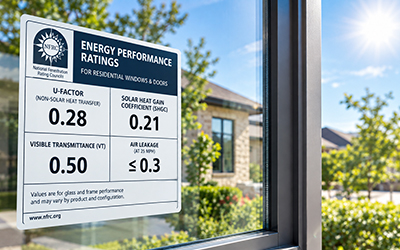
When comparing options, pay attention to the Solar Heat Gain Coefficient (SHGC), which measures how much solar heat passes through a window. Lower SHGC values generally provide better solar heat control in hot climates.
Replace Windows by Room or Exterior Elevation
Another practical strategy is to replace windows in groups.
For example, homeowners might complete all windows along the front of the house first, followed by the back or second story.
This approach can help preserve visual consistency while making the project easier to manage financially.
When Does Phased Window Replacement Make the Most Sense?
Replacing windows in stages may be particularly beneficial when
- Your existing windows are in different conditions. Some may function perfectly well while others have noticeable damage or efficiency problems.
- You’re working within a specific renovation budget. Spreading the project over time may make it more manageable.
- You’re renovating one area at a time. Coordinating replacement windows with room renovations can simplify planning.
- You recently replaced some windows. There may be little reason to remove newer, properly functioning windows simply to complete a whole-home project.
- You want to evaluate a particular window style. Replacing a smaller group first can help you assess its appearance and performance before proceeding with additional installations.
However, homeowners considering phased replacement should establish a consistent product plan from the beginning.
Frame colors, glass specifications, grid patterns and window styles should be documented to help maintain a cohesive appearance across future phases.
Keep in mind that product availability and specifications may change over time, making an extended replacement schedule more challenging.
Is It Cheaper to Replace All Windows at Once?
Generally, replacing multiple windows during a single installation may be more cost-efficient than scheduling numerous smaller projects.
Larger installations can reduce repeated labor-related expenses, preparation time and transportation requirements.
However, the total investment depends on several factors, including window dimensions, frame materials, glass specifications, accessibility and installation complexity.
Replacing windows in stages typically reduces the immediate financial commitment, even if the combined cost of multiple projects is higher.
Neither approach is automatically the most affordable for every home.
The best way to evaluate your options is to request a professional assessment and compare the estimated costs of replacing all windows versus completing the work in planned phases.
Making the Right Window Replacement Decision for Your Home
Ultimately, the decision to replace all windows at once or replace windows in stages comes down to balancing immediate needs with long-term goals.
If your home’s windows are similarly aged, inefficient or deteriorating, completing the project at once may offer better installation efficiency, consistent aesthetics and more comprehensive comfort improvements.
If only a handful of windows are experiencing problems, a phased replacement may be the more practical solution.
The important thing is to approach the project with a plan rather than replacing windows randomly over time.
Get Expert Guidance from Ultra Windows
Whether you’re ready to replace every window in your home or want to start with a few problem areas, choosing the right products and installation strategy can make a significant difference.
At Ultra Windows, we help Houston-area homeowners explore replacement window options that complement their homes, improve comfort and support their long-term goals.
Not sure how many windows you should replace? Our team can help you evaluate your options and determine an approach that makes sense for your home and budget.
Contact Ultra Windows today to learn more about our replacement window solutions and take the first step toward a more comfortable, energy-efficient home. Locally owned. Locally accountable. At Ultra Windows, our reputation is built one Houston homeowner at a time, not in a corporate boardroom.